
Best Time to Dive Protea Banks South Africa
Use this monthly planner to see when conditions are best at Protea Banks, which shark species are most likely, and what divers can generally expect from the season.
How to use this tool
Select a month to view a practical dive-planning summary for Protea Banks. This gives a realistic seasonal guide, but live sea state, swell, wind, visibility and current always matter on the day.
January
Season outlook: Summer diving with warm water, active shark life and good potential for exciting baited shark dives.
- Best for: Bull sharks, blacktips and summer shark activity.
- Tiger sharks: Possible in the warmer months.
- Conditions: Can be very good, but weather windows still matter.
- Water feel: Warmest part of the year.
Always check live conditions before booking or launching. This planner is a seasonal guide, not a guarantee of exact sightings or sea state.
African Dive Adventures™ provides advanced scuba diving tools for divers worldwide.
Explore More Free Scuba Tools for South Africa Divers
Use our full collection of free scuba diving tools to plan your South Africa dive trip, including Protea Banks conditions, wetsuit choice, dive weight, nitrox planning, packing lists, travel budgets and no-fly time guidance.
Protea Banks offers world-class shark diving throughout much of the year, but the best time to dive depends on the species you want to see, seasonal movements, and sea conditions. This planner gives a realistic month-by-month overview so you can match your trip to the type of diving experience you’re looking for.
What Is the Best Time to Dive Protea Banks?
There is no single “best” time to dive Protea Banks — it depends on your goals as a diver. The reef is active year-round, but different seasons bring different shark species, water temperatures, and diving conditions.
Summer months tend to offer warmer water and high-energy shark activity, including bull sharks and blacktips. Winter months are known for ragged-tooth sharks and the wider regional Sardine Run, which attracts large numbers of predators.
For most divers, the best time to visit is when your target species is most likely, rather than focusing only on conditions.
Best Months for Shark Diving at Protea Banks
Protea Banks has a strong reputation as one of the best shark diving locations in South Africa because of its seasonal variety.
Summer (November to March) is known for warm water and active shark dives, with bull sharks frequently encountered and the potential for tiger sharks.
Winter (June to August) is famous for ragged-tooth sharks and cooler, often clearer water. This is also the broader period associated with the Sardine Run along the KwaZulu-Natal coast.
The transitional months between seasons can offer a mix of species and are often overlooked, but can provide excellent diving with fewer crowds.
When to See Different Shark Species
Different shark species at Protea Banks follow seasonal patterns, which is why timing your trip can make a big difference.
Bull sharks are seen throughout much of the year and are one of the most reliable species on the reef.
Tiger sharks are more commonly associated with the warmer months, particularly during summer conditions.
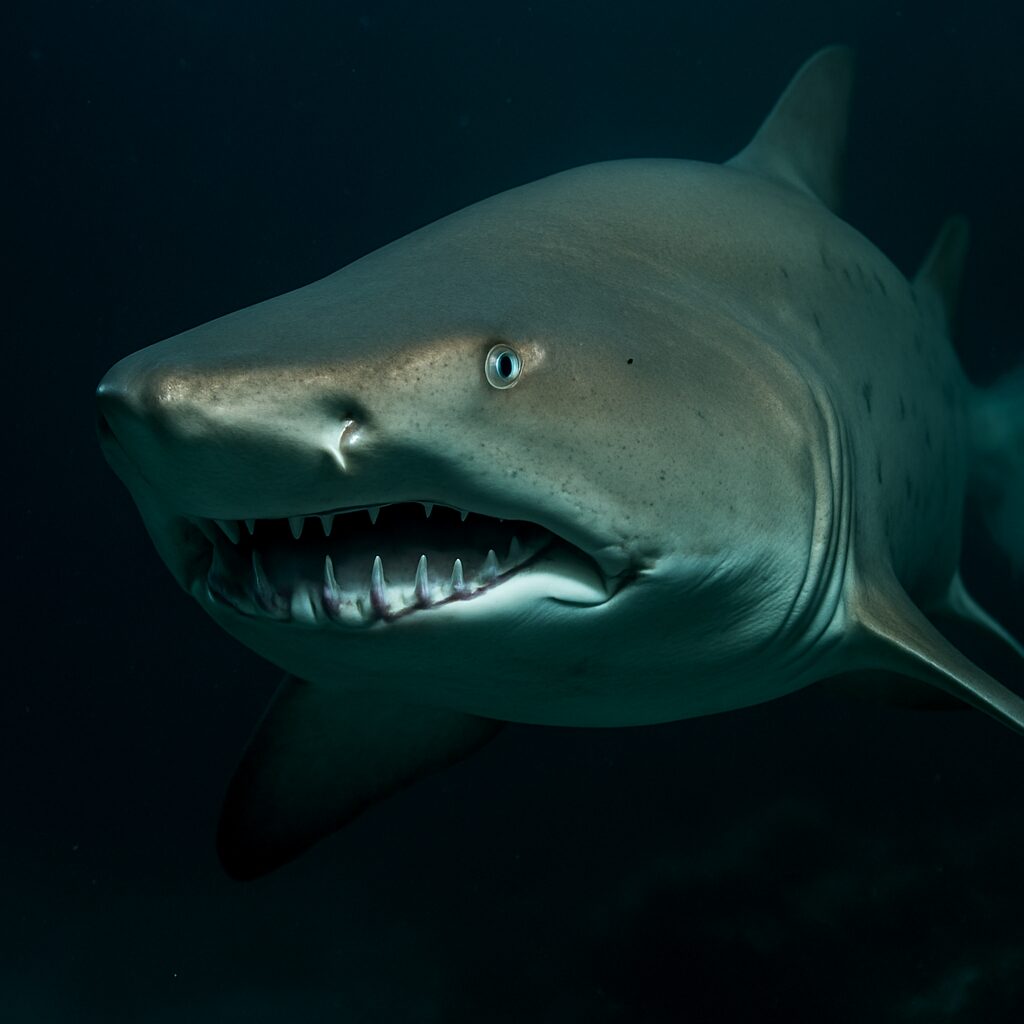
Ragged-tooth sharks (also known as sand tiger sharks) are most frequently seen during the winter months when they gather along the reef.
Blacktip sharks are often present across multiple seasons and add speed and energy to many dives, particularly during baited shark dives and periods of increased fish activity.
How Sea Conditions Affect Protea Banks Diving
While seasonality plays a major role, daily sea conditions are just as important as the time of year.
Protea Banks is an offshore reef, which means diving conditions are influenced by wind, swell, and current. Even during peak seasons, some days may not be diveable due to weather.
Visibility can vary from day to day, and current strength can change the nature of the dive significantly. This is why it is always recommended to check live conditions before planning your dive.
Use our live conditions and shark prediction tool to get a real-time view before booking or heading out.
Tips for Planning Your Protea Banks Dive Trip
If you are planning a trip to Protea Banks, a few simple strategies can improve your experience significantly.
Allow multiple dive days rather than planning a single dive. This increases your chances of hitting the best conditions.
Be flexible with your schedule. The best dive days often depend on weather windows rather than fixed dates.
Choose your season based on what you want to see. If your goal is ragged-tooth sharks, winter is ideal. If you prefer warmer water and varied shark encounters, summer may suit you better.
Finally, always dive with an experienced local operator who understands the reef, conditions, and safety requirements of this advanced dive site.
Before booking, check our Scuba Diving Kit Guide for South Africa to plan wetsuit thickness, weighting and essential dive equipment.
