
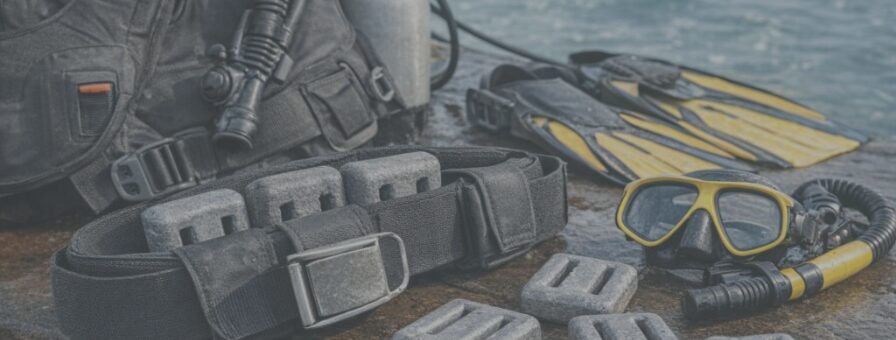
Estimate your scuba weighting for South African saltwater dives using wetsuits, semi-dry suits and common 12L or 15L cylinder setups.
How this South Africa dive weight guide works
This calculator uses a practical starting estimate based on body weight, wetsuit thickness, semi-dry buoyancy, cylinder type and diving experience. It is designed around typical South African saltwater conditions and the kinds of setups commonly used by divers at Protea Banks and along the KwaZulu-Natal coast.
Aluminium 12L cylinders usually need more lead than steel tanks, while a 15L steel cylinder often reduces the amount of extra weight needed. Semi-dry suits and newer thick wetsuits usually require more weight than a well-used 3mm or 5mm suit.
How much dive weight do you need in South Africa?
The amount of scuba weight you need in South Africa depends mainly on your body weight, your exposure suit, whether you are using an aluminium or steel cylinder and how comfortable you are in the water. Most divers using a 5mm wetsuit in warm South African saltwater with a steel 12L cylinder will need less weight than someone using a semi-dry suit or an aluminium tank.
At Protea Banks, divers often use 5mm or 7mm wetsuits, and some choose semi-dry suits during cooler periods or if they feel the cold more than average. Many local operators also use steel cylinders, including 15L tanks, which can change buoyancy compared with standard aluminium setups used in other destinations.
This is why a South Africa-specific weighting guide is more useful than a generic scuba calculator. It gives visiting divers a realistic starting point before arrival, especially when planning shark dives, deeper reef dives and drift diving where good trim and buoyancy matter.
Protea Banks weighting tips
- Start slightly conservative if you are new to local diving conditions.
- New 5mm and 7mm wetsuits are usually more buoyant than older, compressed suits.
- Steel 15L cylinders often mean you need less lead than with aluminium 12L cylinders.
- Always confirm your final weighting with a proper buoyancy check near the end of the dive.
- Good weighting improves trim, breathing efficiency and comfort during shark and reef dives.
Explore more South Africa scuba planning tools
Use these additional tools and guides to plan your Protea Banks shark diving trip, pack the right exposure suit and understand seasonal dive conditions.
Need a more technical setup including drysuits and undergarments? Use the advanced dive weight calculator on African Dive Adventures.com
Frequently Asked Questions
How accurate is this dive weight calculator?
It is a useful starting estimate for South African saltwater diving, but it does not replace a real buoyancy check with your own equipment.
Do steel 15L cylinders change weighting?
Yes. A steel 15L cylinder is usually more negative than a standard aluminium tank, so many divers need less lead with that setup.
Do I need more weight with a new wetsuit?
Usually yes. New wetsuits are often more buoyant and may need an extra 1–2kg until the neoprene compresses with use.
Is this calculator suitable for Protea Banks?
Yes. This tool is designed as a quick planning guide for typical South African wetsuit and cylinder combinations, including setups commonly used at Protea Banks.
Need advanced calculations (drysuits, technical setups)? Use our full dive weight calculator
Explore More Free Scuba Tools for South Africa Divers
Use our full collection of free scuba diving tools to plan your South Africa dive trip, including Protea Banks conditions, wetsuit choice, dive weight, nitrox planning, packing lists, travel budgets and no-fly time guidance.
